
Intelligent Medical Device Lab
We are an interdisciplinary research group with members of diverse scientific backgrounds, including neurosurgery, medical imaging, big data, veterinary science, biotechnology, critical care medicine, computer science, and electronic engineering.
Bridging Science and Innovation: Advancing Healthcare Through Interdisciplinary Collaboration in Neurosurgery, Medical Imaging, and Beyond.
Advancing Healthcare with Intelligent Devices: Pioneering Technology for Precision Surgery and Enhanced Patient Care.
Our research is focused on advancing the field of intelligent medical devices through the integration of cutting-edge technologies.
By combining expertise from these varied domains, we aim to develop innovative solutions that improve patient outcomes, enhance surgical precision, and support clinical decision-making.
Our projects range from advanced imaging techniques and automated surgical planning to the development of smart sensors and robotic systems, all designed to address critical challenges in modern healthcare.
Meet our team
Our multidisciplinary team includes experts from neurosurgery to computer science, ensuring a comprehensive approach to every challenge.
Principle Investigators

National Taiwan University
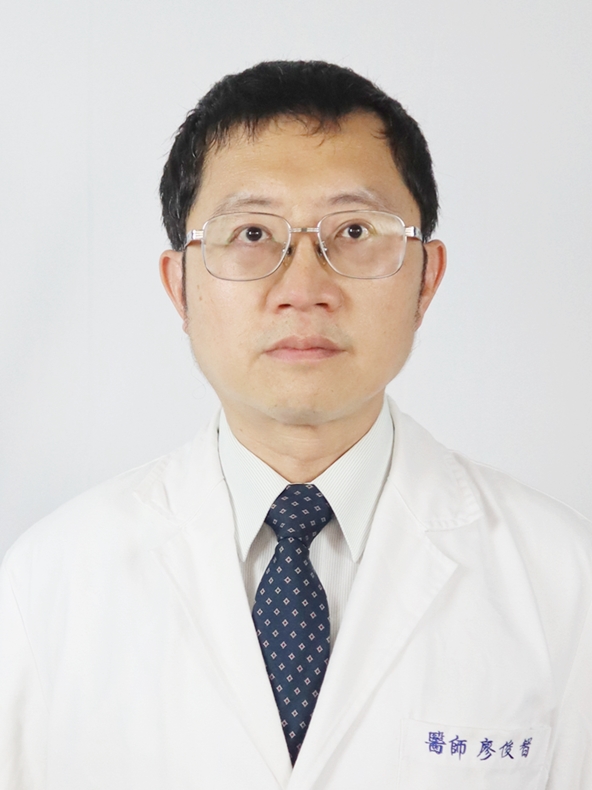
Taipei Hospital
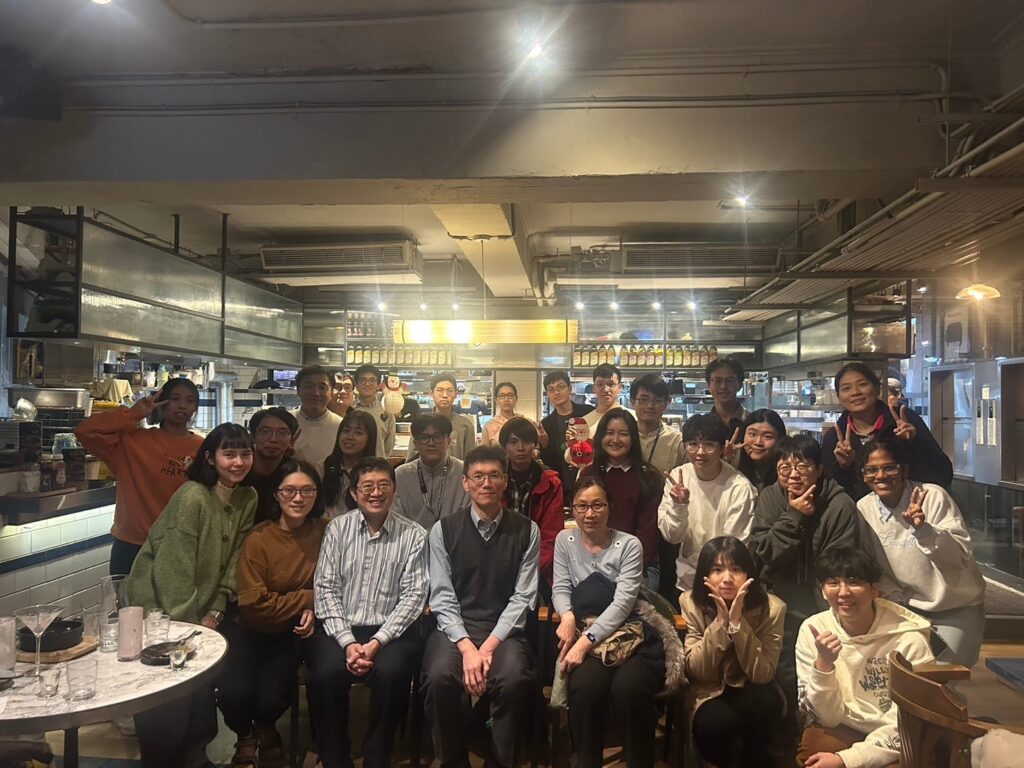
Current Members
| Chia-Jung Hsieh | Neurosurgery |
| Kuan-Hao Fu | Neurosurgery |
| Ai-Chen Lee | Big data Medical imaging |
| Shih-Jung Kuo | Veterinary science |
| Wei-Ying Lien | Medical imaging |
| Yi-Rou Chou | Biotechnology |
| Yu-Hsuan Lin | Medical imaging |
| Yu-Syuan Liu | Respiratory system Law |
| Zolnamar Dorjsembe | Computer science |
| Mu-Feng Lin | Electronic engineering |
| Chinwei Hong | Dental Technology |
| Li-Ming Deng | Electrical engineering |
| Shu-Yu Liu | Medical imaging |
| Pin-Chen Chen | Medical imaging |
| Nandhitha Suruliandi | Computer science |
We’ve worked with some of the best companies.



